Behind the Paper
Government software doesn’t have to feel like government software
We built an app called Daily Drop to help families on WIC learn to feed human milk, and while I am proud of the app itself, I think the way we made it is a big part of what is worth talking about.
What if a tool from a government program felt like it was actually made for the people using it? What if it were clear, even warm, the kind of thing you might open because you wanted to and not because you had to? That is not usually how public technology goes. More often it is built for people instead of with them, decided up front and delivered late, and the result tends to feel like government software: dutiful, generic, a little joyless. Daily Drop was our attempt at the answer.
It was built in stages, in partnership with the Vermont State WIC agency. Every version went in front of the people who would actually use it: WIC staff, the state’s IT team, and parents themselves. Their feedback set the direction. The app leaves room for the many ways families feed, it encourages instead of instructs, and it measures progress by what you have learned rather than what you have done. By the end, the people it was built for had shaped nearly every part of it.
Built with the people it was for, not just for them.
The method behind it is easy to name, even if it is rare in practice. The work stayed open to change, so the app could keep improving as people used it. It centered the people who stood to benefit, so their needs set the priorities instead of a spec written in advance. And it led with fun, because Daily Drop is a game, and the play is the point, not a sweetener on a lesson. Those three things together are what made it feel different to use.
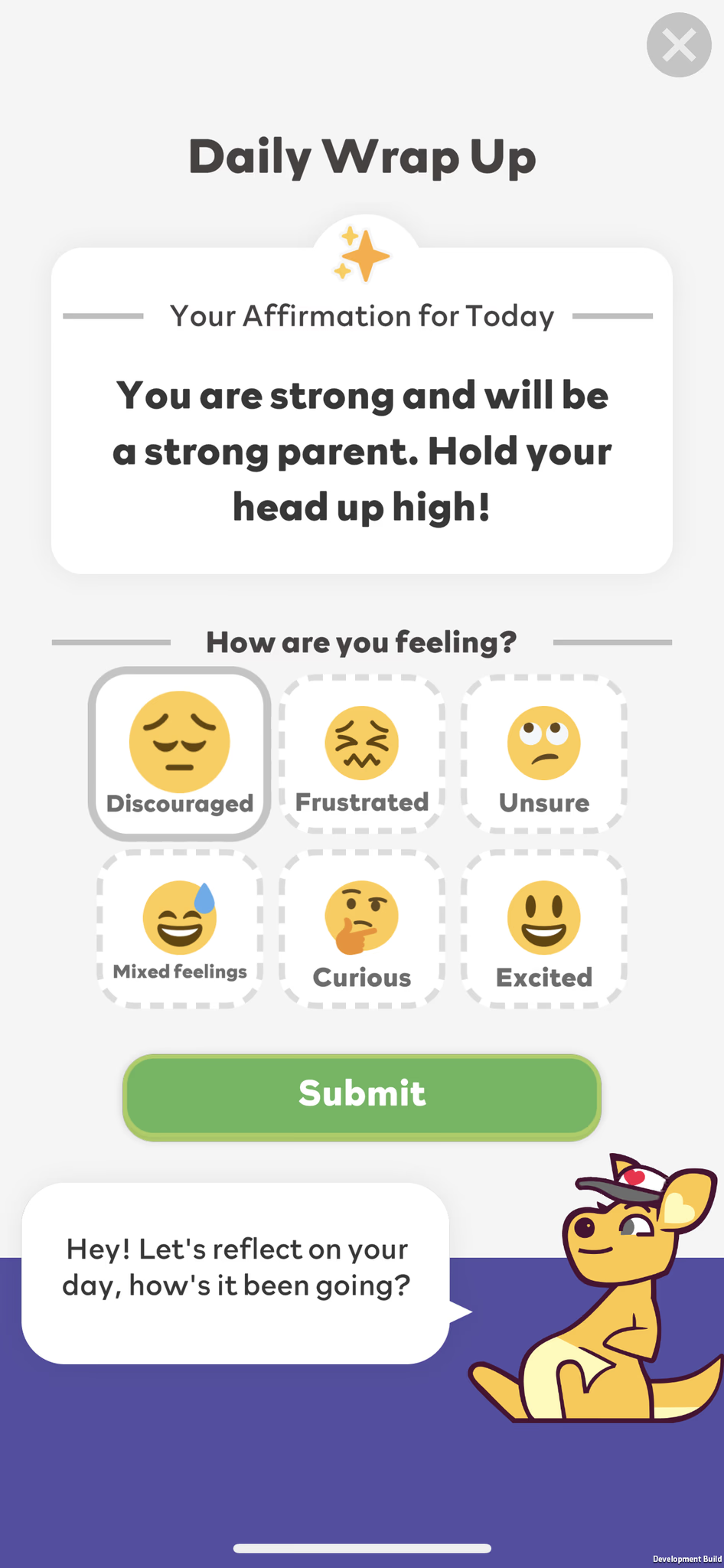
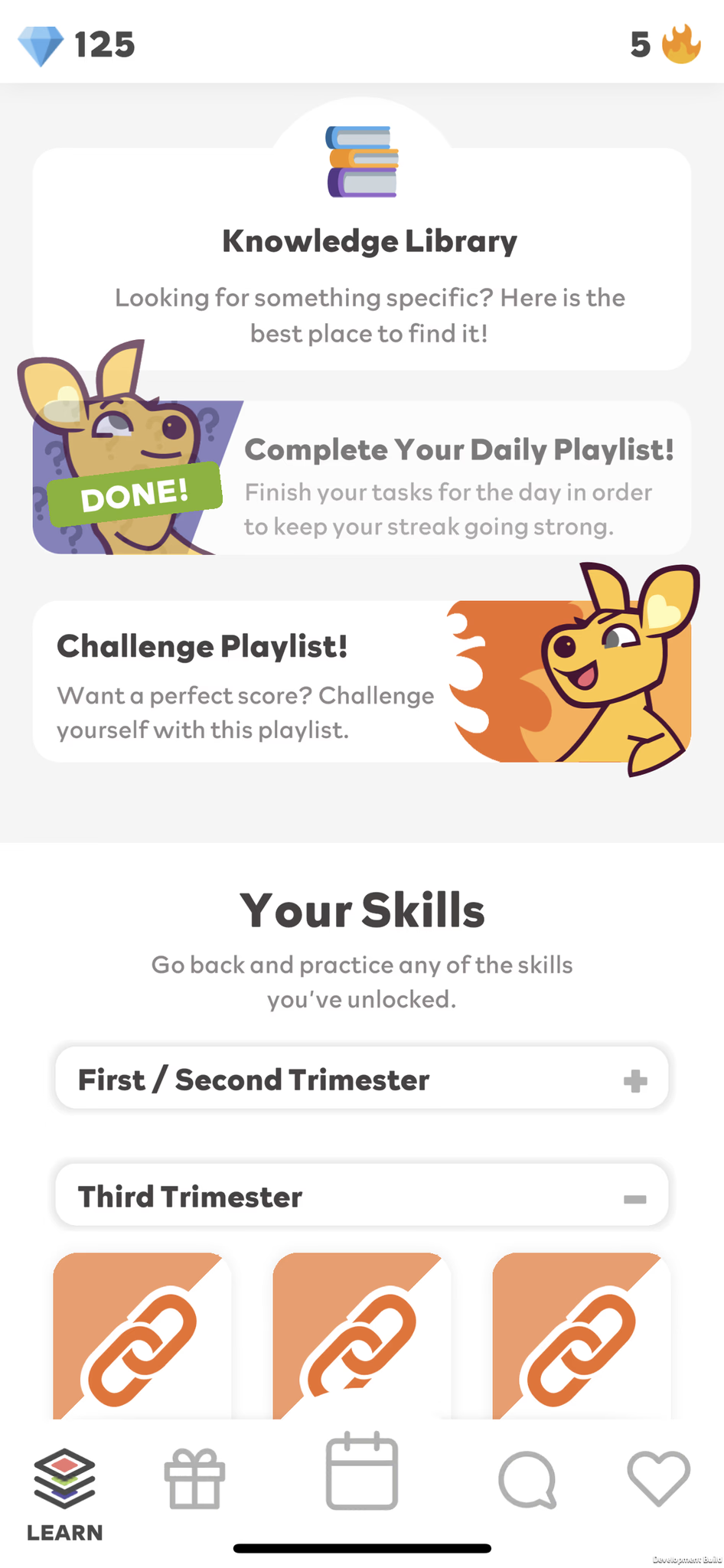
Fig. 1. Daily Drop in use.
01 · Why it matters
The result held up. Families found it easy to use, and said it left them more confident about feeding their babies. The approach behind it held up just as well. The full study, which documents the process from first concept through testing, passed peer review and was published in the Journal of Medical Internet Research. That is not how most government software projects end. Read how it was done, and let us know what you think. We hope it inspires more joyful tools for the public.
Read the full study
Agile Development and Testing of a Gamified Human Milk Feeding Education Mobile App for Participants of the Special Supplemental Nutrition Program for Women, Infants, and Children: Co-Design Approach
Melo Herrera Y, Mitchell S, Malinowski A, Wright C, Dibble M, Cassi P, Qayyum N, Hennessy E. Journal of Medical Internet Research. 2026;28:e80330. doi:10.2196/80330
Read on PubMed Central →